As President Obama correctly noted in his speech in Jerusalem, Zionism and America’s founding myth spring from a common quest: the yearning for a homeland.
But this human search is not universal — even if modernity has produced an ever expanding sense of rootlessness in populations made up of individuals for whom home is an abstraction buried in lost memories or unrealized hopes, not an intimately known place of birth.
People who know exactly where they were born and know this as the point on the planet from which they crawled, walked, climbed and by whatever other means slowly ventured out into the world, form a picture of the world resting on a very granular and specific foundation. Home known this way is not a disputed territory or a divine gift — it’s simply the place one knows better than any other.
From such a home a world is constructed that begins with definite articles: the hill, the river, the house, the field. Out of these utterly unique details a wider world of less distinct generalities only later emerges.
Homes yearned for, on the other hand, are homes to be discovered, created, invoked, declared, and claimed and for Americans and Israelis such homes could only be found by denying the existence of the homes of others.
This act of denial required that each nation fabricate or reinvent a founding mythology in which God gave a land with no people to a people with no land. An earthly paradise could only be created and believed in by destroying the past, dispossessing the native population and driving people out of their homeland.
Richard Rodriguez writes: We Americans have long told ourselves that we are a God-favored people, a churchgoing, moral people. But last week when the old cardinals of Roman Catholicism looked for the future of their church, they looked south. And what we Americans heard, as if for the first time, is that the spiritual center of Christianity is in the Southern Hemisphere, not with us in the north.
How could that be?
Despite the drug addiction of Americans — an addiction second to none that has destabilized Latin America from Bolivia to Colombia to Mexico — we assume the moral high ground in the Americas. We long have regarded Latin Americans as a morally lazy race, corrupt in their civic life, tolerant of Marxism one day, fascism the next. Now we learn that the beating heart of Christianity is in the south. World Catholicism is centered there. And Protestantism, too, surges throughout Latin America.
We Americans built a wall to separate ourselves from Latin Americans and their disrespect regarding our laws. A number of us tell pollsters or listeners of talk radio that we would deport the millions of Latin Americans who are illegally here, and their children bleating about their “dreams.” Many Americans declare they do not want illegality rewarded in any way.
In the long political debate over illegal immigration, religion and morality have rarely been mentioned by those in power, except by disgraced Cardinal Roger Mahony in Los Angeles. In immigrant rights parades, it’s true, one did see nuns and people carrying crosses, as in a religious procession. But right-wing commentator Pat Buchanan, famously a Catholic, described illegal immigrants from Latin America as a greater threat to our union than Al Qaeda. There was something evil coming from the south.
What went unsaid on talk radio and on the floor of Congress was that were it not for Latin American immigrants, here legally and illegally, many churches in the U.S. would be as empty as Notre Dame cathedral in Paris. And not just Catholic churches.
Increasingly, as young, white Americans abandon organized religion, Latin Americans in the United States have been flocking to evangelical Protestantism. Already, in Central America and Brazil, the rate of conversion to evangelical Protestantism is such that by century’s end, Latin America may be in its majority, evangelical Protestant. Already, Protestant churches are sending missionaries from Latin America north to attend to our barren souls. [Continue reading…]
As Rodriguez goes on to note, the American left is largely uninterested in religion — and I expect that lack of interest is reflected among visitors to this site.
Even so, the strength of religion should interest everyone, irrespective of their religious or political orientation. And those of us with no faith should hesitate to assume that our lack of faith makes us better off.
One of the reasons secularists look down on the religious is out of the conviction that scientific realism will inevitably triumph over religious superstition. But as Rodriguez points out, the decline of religion is not resulting in a demographic rise of secularism. Why? Because as religious belief declines, so does the drive to reproduce.
This probably says less about mere differences in orientation towards life and an afterlife than it does about differences between the irreligious rich and the religious poor.
As people become more immersed in their pursuit of careers, a tension develops between the demands of raising a family and the pursuit of personal achievement outside the family. Simultaneously, the more economic independence the individual acquires, the less reliant he or she becomes on the mutual support provided by family, community, and church. Put simply, the less we need others, the less we procreate.
As we maximize our individual autonomy, we collectively wither. The price for liberating ourselves from religion is that we end up with weaker, atomized societies. The better we can take care of ourselves, the less we care about others.
Having left religion behind, one can’t easily turn back.
Some people want to create churches for the faithless — a goal I can support in spirit. Yet what will provide the glue that holds together such communities? In our resolute individualism, where do we find common ground when there is no ready substitute for shared faith?
We secularists imagine we have an ideological advantage because we believe in this life rather than any other and because we rely on science rather than scripture, but we fall down by over-investing in the material world.
“Lay not up for yourselves treasures upon earth, where moth and rust doth corrupt, and where thieves break through and steal.”
That can be read as an injunction to the faithful to fix their attention on rewards in heaven, but it also says something to those of us with no faith: that there are false promises attached to most of the material things we can acquire.
Pope Francis has said he wants a poor church, for the poor. As an archbishop he condemned the gross inequalities in his native Argentina and from the perspective of secularists concerned with social justice, these may sound like a call for the redistribution of wealth. The poor must be raised out of poverty.
But remember: this comes from a priest who took a vow of poverty. Granted, there’s a huge difference between poverty that is chosen and poverty from which one hungers to escape, but for those who take such a vow, this is not an exercise in self-abnegation; it’s about the liberating effect of recognizing that ones needs are few.
Ironically, in societies with material abundance, the terms ‘poor’ and ‘needy’ are interchangeable. Yet the more easily we can meet our material needs, the more difficult it becomes to differentiate between needs and desires. Indeed needs met, rather than resulting in contentment, often fuel larger desires.
The top of the ladder of acquisition, rather than being occupied by people who are serenely fulfilled is instead the abode of those who acquire perverse desires — like wanting to live in $200 million apartments.
If one looks at the world not in terms of the distribution of wealth, but the distribution of contentment, it turns out that Latin America ranks highest.
There’s no disputing that in a world where there are clearly enough resources to meet everyone’s basic needs, no one should be dying of hunger, lacking care for treatable diseases, or living in miserable squalor. But another poverty goes unnamed — one that afflicts the rich and causes desire to metastasize, producing concentrations of wealth that serve little good even for those in their possession.
What those protected by military-trained guards, bulletproof glass, and panic rooms, fail to see, is that rather having been supremely successful in acquiring so much, they have instead become the prisoners of their own wealth.
But worse than that, the affliction of excessive wealth is also a curse on others. Not only does the wasteful aggregation of resources necessitate deprivation for others, but the status attached to wealth undermines the dignity of those who possess little.
The reconfiguration of wealth the world needs, cannot be confined to the distribution of material resources, but requires a redefinition of the meaning of wealth.
Only when those who believe they have so much, start to see how much loss acquisition incurs, can a deeper reordering of human values begin.
The Rev. Federico Lombardi, the Vatican spokesman, said there had “never been a credible accusation against him” relating to the period in the 1970s when he was the superior of the Jesuit order in Argentina.
Indeed, “there have been many declarations of how much he did for many people to protect them from the military dictatorship,” Father Lombardi said in a statement at a news conference.
“The accusations belong to the use of a historical-social analysis of facts for many years by the anticlerical left to attack the church and must be rejected decisively.”
This is a standard public relations deflection: don’t directly address the content of the criticism, but instead treat it as an expression of the identity of a critic who is supposedly hostile to the identity of those being attacked.
We are being attacked because of who we are — not because of how we act.
As soon as any criticism gets framed in this way, it is transformed from criticism into hatred. People who criticize Israel do so because they hate Jews. Critics of Pope Francis hate clerics — and so the ontological deflection turns. The critic gets smeared; the target is turned into an innocent victim.
The fact that this particular story about Cardinal Bergoglio’s alleged complicity in the imprisonment and torture of two Jesuits priests, Franz Jalics and Orlando Yorio, has continued to churn for so many years, suggests that it has yet to be fully told.
The facts may not be clear cut because differences in accounts may hinge on differences of opinion about how to deal with the junta. Still, the new pope might do better by putting aside the shield created by the often self-serving defenders of the papacy and instead telling his own story.
Georgia Institute of Technology: Despite many remarkable discoveries in the field of neuroscience during the past several decades, researchers have not been able to fully crack the brain’s “neural code.” The neural code details how the brain’s roughly 100 billion neurons turn raw sensory inputs into information we can use to see, hear and feel things in our environment.
In a perspective article published in the journal Nature Neuroscience on Feb. 25, 2013, biomedical engineering professor Garrett Stanley detailed research progress toward “reading and writing the neural code.” This encompasses the ability to observe the spiking activity of neurons in response to outside stimuli and make clear predictions about what is being seen, heard, or felt, and the ability to artificially introduce activity within the brain that enables someone to see, hear, or feel something that is not experienced naturally through sensory organs.
Stanley also described challenges that remain to read and write the neural code and asserted that the specific timing of electrical pulses is crucial to interpreting the code. He wrote the article with support from the National Science Foundation (NSF) and the National Institutes of Health (NIH). Stanley has been developing approaches to better understand and control the neural code since 1997 and has published about 40 journal articles in this area.
“Neuroscientists have made great progress toward reading the neural code since the 1990s, but the recent development of improved tools for measuring and activating neuronal circuits has finally put us in a position to start writing the neural code and controlling neuronal circuits in a physiological and meaningful way,” said Stanley, a professor in the Wallace H. Coulter Department of Biomedical Engineering at Georgia Tech and Emory University.
With recent reports that the Obama administration is planning a decade-long scientific effort to examine the workings of the human brain and build a comprehensive map of its activity, progress toward breaking the neural code could begin to accelerate.
The potential rewards for cracking the neural code are immense. In addition to understanding how brains generate and manage information, neuroscientists may be able to control neurons in individuals with epilepsy and Parkinson’s disease or restore lost function following a brain injury. Researchers may also be able to supply artificial brain signals that provide tactile sensation to amputees wearing a prosthetic device.
Neuroscientists display a singular lack of imagination when it comes to promoting the benefits of their research. It’s always the same: we’re going to restore mobility to those who have lost it and rejuvenate damaged brains. Keep the research grants and philanthropic donations rolling in.
Still, I don’t think one has to be subject to rampant paranoia to consider less benign applications for the ability to control neural circuits.
Once the next generation of parents are comfortable with the idea of walking around with electronic devices strapped to their heads, it won’t be too difficult to persuade them that as a matter of convenience their children will be better off having computer chips implanted inside their skulls. And since it’s already become socially acceptable to use pills to change the way you feel, side-effect-free “affect reprogramming” is the next logical step.
People may still need to be engaged in soul-destroying work, but employers will be able to offer neural support systems that help workers feel satisfied even while engaged in meaningless tasks.
Welcome to the brave new world of neural engineering.
Archbishop Jorge Mario Bergoglio (now Pope Francis) drinks the local beverage, "mate," in Buenos Aires, Argentina.
“Journalists sometimes risk becoming ill from coprophilia and thus fomenting coprophagia: which is a sin that taints all men and women, that is, the tendency to focus on the negative rather than the positive aspects,” said Jorge Mario Bergoglio in an interview with Vatican Insider last month, before becoming the new pope.
Maybe the press would become less vulnerable to the charge of peddling in shit if they were better versed in Latin.
To suggest that journalists and the public harbor an unhealthy fascination with dirt is not unreasonable. No doubt many of the things that gain the most media attention would better be ignored, but the problem is less general than simply an excessive focus on the negative. More often, it involves focusing on the negative for the wrong reasons, resulting in excessive attention on trivia while overlooking matters of enduring significance.
Look, for instance, at the ‘evolution’ of Huffington Post which began its life as a reasonably decent mainstream progressive outlet and gradually turned into a kind of liberal National Inquirer. On a descending spiral in search of more traffic, journalism enslaves itself to whatever will capture readers’ interest, and in the process it further corrupts both itself and its audience.
Too rarely do editors pause to ask simple qualitative questions — is this a story about something that matters? — because their overriding concern is quantitative: it’s about counting eyeballs and dollars.
This reductive approach to news not only means that the world gets presented through a distorted lens, but also that stories get broken into easy-to-consume news nuggets. Thus the story of the election of a new pope becomes:
Adding a small layer of nuance, a number of quotations get tossed into the mix. For me, one stands out: “Human rights are not only violated by terrorism, repression or assassination, but also by unfair economic structures that creates huge inequalities.”
Just imagine if an American president said that! Those would be revolutionary words.
But beyond the quotes, the biographical details, the questions about possible collusion with Argentinian dictators, the quality that appears to distinguish the new pope above all others is humility.
This has been widely noted and is indeed noteworthy for many reasons. First of course is the juxtaposition of a humble character with an institutional position of unparalleled grandiosity. Will the Buenos Aires priest bring humility to the institution or will the institution corrupt the man?
Cynics will have already concluded that Pope Francis’s humble facade is just that — a cunning means for gaining power. Call me naive, but I prefer to take what I see at face value and regard these manifestations of humility as genuine — unless or until there is evidence that proves otherwise.
Yet as an atheist, why should I even have any interest in the qualities of the new pope? Isn’t he just another proponent of an unscientific view of the world that the world would be better without?
Firstly, let’s not tar all the faithful with the same brush. This isn’t a Bible-thumping anti-intellectual. Before receiving a doctorate in theology, Bergoglio gained a masters degree in chemistry and taught literature and psychology at the University of El Salvador, in Buenos Aires. While being doctrinally conservative, he is a strong advocate of social justice and appears to live in accordance with the values that he preaches.
And here’s the point: however Pope Francis might be characterized in sound-byte journalism, the degree of influence he exerts across the Catholic world will in large measure be determined by his character.
People of all faiths and no faith are inclined to form views about others — whether in direct relationships or by seeing them on TV — based as much if not more on the manner through which individuals express themselves. Viscerally we respond to bearing, facial expressions and a constellation of largely non-verbal impressions out of which we construct our sense of the person.
If the first impression of this pope — that he is a genuinely humble man — turns out to be an enduring image, then this may also be the most significant feature of his character.
But what is humility?
American culture, with its emphasis on personal freedom, individuality, self-expression, and self-made success, accords little value to a virtue associated with meekness and a lack of assertiveness. It might be called a virtue but to many American eyes humility also looks like weakness. Americans are proud to be proud — rarely esteemed for their humility.
Maybe humility could be called an un-American virtue since it eschews the exceptional; it puts others first; it connects to the earth by being rooted in common ground.
One doesn’t have to share their beliefs or endorse the power of the papacy, to nevertheless recognize that popes, no less than American presidents, have an enduring impact on the world. A pope who is a genuine expression of humility and who exerts a significant influence on the lives of about 20% of the people on this planet, has great potential as a force for good.
“Anwar al-Awlaki, the firebrand preacher, born in New Mexico, who had evolved from a peddler of Internet hatred to a senior operative in Al Qaeda’s branch in Yemen” — thus the New York Times sets the tone in a report in which the Obama administration leaked a suitable amount of classified information necessary for defending its presidentially-directed assassination program.
The video above shows the preacher back in the days when he was “a peddler of internet hatred” — a description that one might expect to appear somewhere like the New York Daily Post.
“The fact that the U.S. has administered the death and homicide of over one million civilians in Iraq; the fact that the U.S. is supporting the deaths and killing of thousands of Palestinians, does not justify the killing of one U.S. civilian in New York City or Washington D.C. And the deaths of 6,000 civilians in New York and Washington D.C. does not justify the death of one civilian in Afghanistan.” Is this peddling hatred?
The killing of Awlaki in a CIA drone strike in Yemen on September 30, 2011, has stirred considerable debate about whether an American president has the legal authority to murder an American citizen without any judicial process.
A question of equal importance that has received much less attention is whether the government’s claims that Awlaki had an operational role in organizing acts of terrorism are based on hard intelligence, or whether less substantial evidence was used as merely to provide a pretext to conduct a political killing?
In other words, in the eyes of the Obama administration, did Awlaki pose a threat to the United States because he played an instrumental role in planning acts of terrorism, or because he had sufficient influence to inspire acts of terrorism?
As a figure who could inspire others to plan and carry out attacks, Awlaki arguably posed a much greater threat than he might have as a figure with an operational role in specific acts of terrorism, yet not even the most creative of legal teams would have been able to construct a credible legal argument to justify Awlaki’s killing on the basis that he posed such an inspirational threat.
The New York Times report provides clues that the steps leading to Awalki’s death followed a process in which the decision to kill him preceded the construction of a legal case or the crafting of an operational plan for carrying out the killing. Once all the legal, political, and operational hurdles had been crossed, Awlaki was killed within a few days.
While the Obama administration insists that it only kills terrorist suspects who cannot be captured, Awlaki had in fact been arrested in Yemen in 2006 and then interrogated by two FBI agents while being imprisoned without facing any charges. As the New York Timesreported in 2010:
John D. Negroponte, then the director of national intelligence, told Yemeni officials that the United States did not object to his detention, according to American and Yemeni sources.
But by the end of 2007, American officials, some of whom were disturbed at the imprisonment without charges of a United States citizen, signaled that they no longer insisted on Mr. Awlaki’s incarceration, and he was released.
“He was different after that — harder,” said a Yemeni man who knows Mr. Awlaki well.
While the new report describes Awlaki having been in hiding during the period leading up to his death — the implication being that wherever he was hiding he could also act in the role of an al Qaeda operational leader — it might have been more accurate to simply say that he was attempting to avoid being killed.
That he was believed to be in the home territory of his family’s tribe, the Awaliq, and that in negotiations with Yemen’s then-president, Ali Abdullah Saleh, tribal leaders had offered to hold Awlaki under house arrest, suggests that his capture was not out of the question.
The problem with capturing Awlaki may have had less to do with determining his whereabouts than in not having enough evidence to put him on trial.
It appears that the Obama administration had less interest in building a case upon which Awlaki could be tried than in documenting a legal justification for killing him. That task fell into the hands of two lawyers in the Justice Department’s Office of Legal Counsel: David Barron and Martin Lederman. For that purpose, they wrote a 63-page memorandum “citing dense thickets of intelligence reports supporting the premise that Mr. Awlaki was plotting attacks.”
That this memorandum would come laden so heavily with intelligence specifically on Awlaki, suggests that the lawyers had less interest in establishing any kind of broad legal principles than in justifying this specific assassination and thus mitigating their own potential culpability in murders that had yet to be planned.
At the same time, if there really was such an abundance of evidence proving that Awlaki was directly involved in plotting attacks and that his killing actually “saved lives,” why has this evidence not been made public a year and a half after his death?
In the trial of Rajib Karim, a British Airways computer expert who in 2011 was convicted of plotting an attack that supposedly would have rivaled the 9/11 attacks, evidence was presented of email communications between him and someone referred to as “the professor.” The emails are highly incriminating and present strong evidence of a terrorist plot. Their content alone would not been of much help in convicting Karim however, were it not for the fact that they were found on a computer in his physical possession.
“The professor” is alleged to have been Awlaki and if that turned out to be true, it would support the Obama administration’s assertions about his operational role in al Qaeda. But there’s a missing link: where’s the evidence that the author of these messages was indeed Awlaki?
That isn’t a question that would merely concern a defense attorney — there are plenty of reasons to doubt that Awlaki would have made a transition from preaching to plotting.
This isn’t a matter of assessing the degree of his radicalism, but rather, even if we take it as well established that he supported terrorism, it’s hard to see any reason why he would not remain focused on his well-honed and highly effective skill as an orator. In other words, wouldn’t it have always made sense both to Awlaki and those around him that he continue to expand his power as a professional ideologue, rather than become an amateur terrorist? For al Qaeda, Awlaki’s preeminent value was that he could preach jihad with an American accent and reach a wide audience in the West.
In 2010, Jack Barclay, an analyst for the International Centre for the Study of Radicalisation and Political Violence, noted the breadth of Awlaki’s appeal:
The ostensibly benign nature of many of his oratories, which often avoid substantive discussion of politics, Jihad, and current affairs, may also have given him a greater level of accessibility and thus helped him cement a stronger online following than some of his more outspoken contemporaries. It is possible therefore, that many of Al-Awlaki’s supporters first developed an affinity for him not because they were actively seeking radical Islamist content to begin with, but because they were initially pursuing broader, beneficial Islamic guidance on the Internet and came across one or more of Al-Awlaki’s more broadly appealing lectures on Islam’s fundamental tenets.
Al-Awlaki’s committed support base have ensured not only that his many audio lectures receive widespread distribution, but that his reputation is vigorously defended whenever it is called into question on Internet blogs and forums.
It is also noteworthy that Al-Awlaki’s popularity appears to rise each time he is perceived to have shown bravery in defending his religion, despite harassment and the threat of imprisonment. Until his move to Yemen, this harassment might have amounted to little more than the periodic attention of television network journalists and the FBI. However, his later imprisonment in Sana’a and subsequent targeting by the US and Yemeni authorities after he continued his controversial writings and oratories, has further elevated his standing. His supporters consider this harassment proof that his enemies are attempting to silence him for merely telling the truth about Islam and the obligation upon Muslims to defend their religion. It is worth considering whether such pressure has been self-defeating in as much as it may have bolstered the perceived credibility of a Salafi-Jihadi cleric who would otherwise have been no more prominent than many of his contemporaries.
When a government grants itself the power to execute its own citizens without any kind of judicial process and refuses to reveal the legal grounds upon which it claims it can exercise such power, then there is every reason to wonder what other powers it might assume.
Having granted itself this absolute power, why would it show restraint in the use of lesser powers? Why, when it insists on shrouding its deliberations in such secrecy, should we have confidence that it would not target for elimination — Constitution be damned — those who in a Stalinist fashion it marks as America’s most threatening political enemies?
Charlie Savage and Scott Shane are two reporters who were party to a lawsuit filed under the Freedom of Information Act by the New York Times to try and force the Obama administration to make public memoranda and related materials providing the legal justification for the targeted killing of a United States citizen, Anwar al-Awlaki. In early January a federal judge ruled in favor of the government.
A report written by the same journalists (along with Mark Mazzetti) and published on Sunday begs the question: were Savage and Shane provided with any of the classified information they had sought through FOIA? If so — and it seems virtually certain that they were — then they seem to have seriously compromised their own journalistic integrity.
How can someone argue that the memoranda need to be made public but then go and serve the interests of the administration that refuses to release them, by allowing that administration to cherry pick which portions of the memoranda it wants to reveal?
Haaretzreports President Obama will be visiting the Church of the Nativity in Bethlehem during his visit to Israel and the West Bank in a few days.
Four years ago Pope Benedict made the same visit and drew attention to Israel’s apartheid wall by giving a speech in its shadow.
“In a world where more and more borders are being opened up — to trade, to travel, to movement of peoples, to cultural exchanges — it is tragic to see walls still being erected,” Benedict said.
Obama could do the same — at least we can imagine what that would be like and how it would go down in history, like JFK declaring “Ich bin ein Berliner” or Reagan challenging the Soviet Union to “Tear down this wall!”
But what’s he going to do instead? Stand in front of an Iron Dome missile battery for a photo-op alongside Prime Minister Benjamin Netanyahu and President Shimon Peres.
David Altheide writes: The future of guns in our society may be better understood if we knew more about what they mean to people and why people buy them.
Fear is a major factor for many firearm purchases. Recent trends in gun sales suggest that many citizens are becoming more fearful: Gallup poll data suggest that Americans are more fearful, at near-record high levels, about big government, compared to big business or big labor. This fear overlays the long-term public fear of crime and terrorism.
Reactions to mass killings, particularly the shooting of first-graders at Sandy Hook school in Newtown, Connecticut, sparked a national debate about gun control. But that, in turn, has heightened fear about government’s role in regulating assault weapons, especially popular semi-automatic models like the AK-47 and AR-15 that are bought and sold throughout both the US and the world.
Public reaction to the latest assault weapon massacre is disturbing in view of worldwide trends. Studies show that price increases for semi-automatic assault weapons reflect public moods and fears about social instability. According to author James Barr, in many countries, “The Kalashnikov index is effectively a futures market for violence.” More than 80m AK-47s circulate between countries in predictable patterns that are associated with social instability.
The cost of this weapon doubled and tripled in Iraq and Afghanistan just before the US invasions of those countries. Afghan arms merchants are selling the model favored by Osama bin Laden for $2,000, while Syrians are paying more than $2,100. Demand and prices fall only when citizens believe that things are settling down.
I’d be a bit wary about the idea of viewing the rise or fall of gun prices as a universally reliable index of social stability.
Each time there’s a new rush to buy assault weapons across America, it seems to happen for the same reason: buyers are afraid these weapons are going to get banned.
And even though fear of government is very much a part of American DNA, among those for whom this fear calls them to go out and buy more guns, I see little evidence that it serves as a driving force for broader political action — beyond perhaps attending an occasional Tea Party meeting or paying annual dues to the NRA.
In other words, as vexed as many Americans might be about the power of Big Government, so long as gun control doesn’t go further than a few cosmetic reforms like reducing permitted magazine sizes, then Americans who are afraid of having their guns taken away will remain quite content with the status quo. Indeed, sustaining the fear that gun ownership is under threat, ironically has the effect of legitimizing gun ownership.
The result is this utterly circular reality: that the freedom so many gun owners care more about protecting than any other freedom is the freedom to own a gun.
The government can assassinate U.S. citizens, monitor all electronic communications, use taxpayer money to bail out banks, fight wars without authorization of Congress, serve the interests of corporations above those of the electorate, and all of this will provoke little more than some idle grumbling.
Do anything else — just don’t take away our guns. Try and take away our guns and we’ll start another revolution!
I have my doubts. I don’t think there’s any prospect of an administration that would actually attempt to institute serious gun control — and even if it did, legislation would never get through Congress. But neither do I think in the unlikely event that such gun control was implemented would it provoke a revolution.
However fiercely independent Americans may once have been, that fierceness has given way to a more pervasive docility.
Adam Etinson writes: In August of 1563, Michel de Montaigne, the famous French essayist, was introduced to three Brazilian cannibals who were visiting Rouen, France, at the invitation of King Charles the Ninth. The three men had never before left Brazil, had just been subjected to a long interrogation by the king (who was 13 years old at the time), and if they had not already contracted some dangerous European illness, they were surely undergoing a rather severe case of culture shock. Despite this, they still had enough poise to lucidly respond to Montaigne’s questions about what they thought of their new surroundings.
The observations shared by the native Brazilians have a certain comical quality. Because they looked on French society with such fresh eyes, their observations make the familiar seem absurd. But they are also morally revealing. First, the Brazilians expressed surprise that “so many tall, bearded men, all strong and well armed” (i.e., the king’s guard) were willing to take orders from a small child: something that would have been unthinkable in their own society. And second, the Brazilians were shocked by the severe inequality of French citizens, commenting on how some men “were gorged to the full with things of every sort” while others “were beggars at their doors, emaciated with hunger and poverty.” Since the Brazilians saw all human beings “as halves of one another… they found it strange that these poverty-stricken halves should suffer such injustice, and that they did not take the others by the throat or set fire to their houses.”
Montaigne records these observations in an essay entitled, “Des Cannibales.” Well ahead of its time, the essay challenges the haughty denigration of cannibals that was so common among Montaigne’s contemporaries, but not by arguing that cannibalism itself is a morally acceptable practice. Instead, Montaigne makes the more provocative claim that, as barbaric as these Brazilian cannibals may be, they are not nearly as barbaric as 16th-century Europeans themselves. To make his case, Montaigne cites various evidence: the wholesome simplicity and basic nobility of native Brazilian life; the fact that some European forms of punishment — which involved feeding people to dogs and pigs while they were still alive — were decidedly more horrendous than the native Brazilian practice of eating one’s enemies after they are dead; and the humane, egalitarian character of the Brazilians’ moral sensibility, which was on display in their recorded observations.
The fact that, despite all this, 16th-century Western Europeans remained so deeply convinced of their own moral and intellectual superiority was, to Montaigne, evidence of a more general phenomenon. He writes:
We all call barbarous anything that is contrary to our own habits. Indeed we seem to have no other criterion of truth and reason than the type and kind of opinions and customs current in the land where we live. There we always see the perfect religion, the perfect political system, the perfect and most accomplished way of doing everything.
Montaigne most certainly wasn’t the first to make note of our tendency to automatically assume the superiority of local beliefs and practices; Herodotus, the Greek historian of the fifth century B.C., made very similar observations in his Histories, noting how all peoples are “accustomed to regard their own customs as by far the best.” And in his famous Letter 93, which presents an early argument against religious toleration, the medieval Catholic theologian Saint Augustine laments the way in which old customs produce a closed-minded resistance to alternative beliefs and practices that, he argues, is best broken by the threat of punishment. When the 19th-century sociologist William Graham Sumner later named this tendency “ethnocentrism,” the term, and the allegation, became a mantra of 20th-century cultural anthropology.
Since some people might be reluctant to profit from cultural insights provided by cannibals, it’s worth adding some ethnographic detail to Montaigne’s account.
The people here referred to as “Brazilian cannibals” (of course there was no such country as Brazil at that time) would have been Tupinamba, whose population numbered an estimated one million when the Portuguese first arrived. Their practice was of ritual exocannibalism.
(Christians might note that those who receive the Eucharist are participating in a form of symbolic cannibalism. This ritualized consumption of human blood and flesh takes place in the context of a religion whose central motif is a sacred act of human execution following the vilification and torture of the emissary and embodiment of the deity. Whatever theological “yes, but…”s one might want to insert, there’s no escaping the fact that Christian iconography and belief can from the perspective of many other cultures look just as problematic as cannibalism.)
Lending new meaning to the expression, he got a name for himself, Meg Pickard explains:
[I]t is the taking of names which is the key to unlocking the reasons behind Tupinamba anthropophagy. The taking of captives was not to provide a source of slave labour, but rather to provide a fresh source of names for the community. The acquisition of names was extremely important in Tupinamba culture.
A man got a new name after killing a captive (or an enemy in warfare). Sometimes, the new name was that of the slain person. Furthermore, those involved in the ritual handling of the captive also gained new names – the women who dressed the captive, and who bit their arms in a taunting manner following his capture, and preceding his execution, and the men who prepared the arrows to be used, captured the prisoner, or who actually executed him all received new names. Other people surrounding the ritual might also have acquired new names – including, for example, the wife of the executioner. And it was the acquisition of names through warfare and the ritual execution of captives that led to inclusion in such activities as marriage, beer drinking or speaking in public. Without obtaining a name, or a lip-plug, or body scarification in this way, a man could not participate in any of these activities. It was believed that only the brave – and by definition, this meant those who had accumulated many names – would go on to the afterlife.
Furthermore, it was believed by both captives and the Tupinamba that it was actually preferable (more honourable and noble) to be killed and eaten than to die a natural death and be buried in the ground (and perhaps be eaten by animals), and indeed that “to be killed ceremonially and then eaten was the fate for which any brave longed once he had lost his liberty”.
So, having established that Montaigne’s Brazilian cannibals didn’t belong to a culture that prized the taste or nutritional value of human flesh, let’s return to the larger issue at hand: ethnocentrism.
While Etinson notes that ethnocentrism is universal, he neither explores what gives rise to this tendency or why among differing cultures ethnocentrism expresses itself in differing degrees.
As social animals, human beings attach immense value to social acceptance and social status. What facilitates social organization more than anything else is our capacity to mimic one another. We are like herding parrots.
In the chatter of human discourse we prefer to borrow the thoughts of others rather than conjure our own and will gladly mimic whichever thoughts are most popular. Ethnocentrism is a form of cultural group-think in which every participant’s status is elevated through mutual reinforcement of the same ideas of superiority.
Some people — particularly those who pride themselves as independent minded — may balk at the assertion that we are a herd animal always inclined to think each other’s thoughts.
Still, think about it: what is language itself if not the accumulation and sharing of borrowed thoughts? Without the borrowed thoughts out of which language is constructed we would have no thoughts at all!
If ethnocentrism is a form of cultural group-think, a number of factors, if combined, will drive this view to an extreme:
where ethnocentrism provides the basis for an ethnocracy;
within this ethnocracy there is a governing ethnic ideology;
a people already bound together by their own sense of uniqueness speaks a language spoken nowhere else;
this culture sees itself as surrounded by an alien, hostile, and inferior culture;
and within this embattled mindset an existential divide seems to separate the homeland from the rest of the world.
In such a context — yes, I’m talking about Israel — the need for cultural bridge-building has never be more great and neither has such an endeavor ever been more difficult.
Journalists tend to be circumspect in telling stories where the facts are still emerging, but as a blogger I don’t suffer the same constraints. Enough information about the Zygier affair appears already sufficiently well-established to construct a strong narrative unlikely to be upturned even as new facts emerge.
Although in earlier attempts to do this I’ve focused on a possible Dubai connection, I now believe that Zygier was probably not a member of the Mossad team that assassinated Hamas commander Mohammed Mabhouh in Dubai on January 19, 2010. Zygier’s connection to that killing consisted most likely in the information he possessed about Mossad’s illegal use of foreign passports.
Haaretz has learned that Zygier told at least two of his friends in Australia that he had been recruited by the Mossad.
An Israeli official familiar with the affair said Zygier had boasted on several occasions to friends and strangers about working for the Mossad. One of those occasions was when Zygier visited Australia in 2009. “He talked too much,” the source said.
So why would someone like this be recruited to Mossad in the first place? One would expect that its background checks would be among the most stringent.
Perhaps it was because he was viewed more than anything else as a useful source of foreign passports — a commodity of greater value to Mossad than any other intelligence agency.
But wasn’t the means by which Zygier obtained passports — taking advantage of Australia’s liberal policy which allows their citizens to change their name once a year — very likely to backfire?
This brazen operation through which Zygier obtained multiple Australian passports might have seemed easy to justify both in his mind and in the minds of his Mossad supervisors. No laws were being broken to obtain the passports and as the son of Geoffrey Zygier — a prominent member of Australia’s Jewish community — Zygier probably enjoyed a certain sense of impunity. The Israelis may have felt that if Zygier came under suspicion, the Australians could be persuaded to back off since in Australia, just as in the U.S., officials and politicians are always reluctant to provoke the ire of their own domestic Israel lobby.
If this was the calculation it was clearly a gross miscalculation.
Once the Australian Security Intelligence Organisation (ASIO) were on to Zygier and had well-founded suspicions about what he had been doing, their primary goal would have been to make it clear to Mossad that Australia would not tolerate the continued illegal use of its passports by Mossad agents. Such use not only places ordinary Australians in jeopardy but also Australia’s own intelligence operatives who, unlike Mossad agents, don’t need foreign passports to travel — that is, they didn’t until Mossad succeeded in turning an Australian passport into an object of suspicion.
(I imagine that inside Mossad, the prevailing attitude is that the use of foreign passports is simply a matter of necessity for an intelligence agency protecting a country whose citizens have pariah status across the region. “We have no choice,” as Shimon Peres would say.)
So, in 2009, Zygier found himself being squeezed by two intelligence agencies: one eager for him to speak; the other insisting that he remain silent.
The tipping point came within days of the Mabhouh assassination as the faces of Mossad agents appeared on news reports around the world and their use of foreign passports, including Australian ones, became public knowledge.
In February 2010, The Age revealed that for at least six months prior to the Dubai killing, ASIO had been investigating at least three dual Australian-Israeli citizens who were suspected of using Australian cover to spy for Israel. We now know that one of the suspects was Zygier.
Prior to Dubai, the Australians might have been content to use their knowledge of what Zygier and the other dual citizens were doing simply to force Mossad to cut it out. They just wanted the Israelis to stop using Australian passports. After all, ASIO is an intelligence, not a law enforcement agency.
After the Dubai assassination, Australia’s acting ambassador in Tel Aviv, Nicoli Maning-Campbell, conveyed her government’s concerns to officials in Israel and within days, Israel faced diplomatic blowback as Australia abstained in a U.N. vote calling for a war crimes investigation of Israel’s assault on Gaza in 2009.
If for several months Mossad had felt they could rely on Zygier’s silence, time ran out in February 2010 and they concluded their only recourse would be to throw him in jail. Given the timing, it looks like he was being incarcerated not because of what he had done but because of what Mossad feared he might reveal about the inner workings of their passport abuse program.
Avigdor Feldman, an attorney who was hired by Zygier’s family to advise him on making a plea bargain, says that shortly before his death in December 2010, the detainee had been warned that “he could very likely expect to be sentenced to an extremely lengthy prison term and to be shunned by his family,” yet Zygier maintained his innocence.
Mossad couldn’t rely on Zygier’s silence outside jail and then found he was likely to speak out while under trial. At this point the man eager to prove his innocence, supposedly killed himself. Dead men don’t talk.
In an era of Big Data, the prevailing myth is that what is known has become vast, while what is unknown lies on an ever-narrowing margin.
We live in a known world in which a few pockets of the unknown remain, but it’s just a matter of time before science succeeds in wrapping up its investigations. Every question will have been answered and for any individual, the only constraints on knowledge will be determined by the capacities of their own mind.
Thank Google, among others, for fabricating this fantasy image of the world.
As a measure of how little we know, try to remember precisely what you were thinking, precisely an hour ago.
No one can do that. No one’s memory operates with that precision and there are no means to record the stream of thought other than through memory.
So think about that: there are over 7 billion people on the planet most of whom currently attach a certain amount of importance to what is going on inside their own minds and yet all of whom know amazingly little about their own recent and distant experiences. Sure, we can piece together small fragments — enough to construct a narrative about who we are and what we have done — but the bulk of our experiences, once past, are gone for good. They have merged into the limitless void of the unknown and the unknowable.
We imagine that as we proceed through life, we are engaged in a process of perpetual aggregation, yet what we carry with us is utterly dwarfed by what we leave behind and is lost forever.
In The Guardian, Aluf Benn, the editor-in-chief of Haaretz, explains how censorship works in Israel. Interestingly he points out that “censorship has its advantages. Your military and intelligence sources are more open to give you secret information, trusting the censor to play bad cop.”
But the reason censorship operates effectively is because most Israelis do not question its value.
The success of censorship relies not on coercion and legal enforcement, but on public support. The military and intelligence community enjoy sacred status in Israeli society, and “national security” resonates much better than “civil liberties”. Many journalists accept censorship willingly as their national contribution, don’t argue with it, and criticise their peers who break with the official line. They are even proud of knowing the story and withholding it from their audience.
Israel is small and vulnerable and is situated in a dangerous neighborhood, so its national security needs trump all others — or so the narrative goes. Israel is a victim of circumstances.
But think about the mindset this engenders and it is one that is actually anathema to most Americans — a mindset of unquestioning trust in the state.
American mistrust of government can often veer towards the opposite extreme, yet there is such a thing as healthy suspicion of government power.
“National security” — wherever it is invoked — is an issue that almost always serves as a justification for secrecy. It delegitimizes citizenship and infantilizes the people.
For their own good, the people must not know what the government is doing. And when the people acquiesce, they are no longer being served by a representative government. They have instead turned themselves into the foundation of a totalitarian state.
“As long as ‘state security’ is sacred in the public mind, we will have censorship,” writes Benn. And as long as Israel functions as a security state, it cannot claim to be a democracy.
A Kuwaiti newspaper, Al-Jarida, reports today that according to Western sources, Ben Zygier aka ‘Prisoner X’ (who is claimed to have committed suicide in a high security Israeli prisoner in 2010) belonged to “band 131,” the Mossad team that assassinated Hamas commander Mohammed Mabhouh in Dubai on January 19, 2010.
Zygier is alleged to have provided Dubai authorities with detailed information about members of the Mossad team and in return for doing so was provided protection.
The same sources claimed that Zygier was later tracked down by Israel, kidnapped, and imprisoned on charges of treason.
The secrecy surrounding the Zygier case inevitably provides fertile ground for abundant speculation. For instance, Dimi Reider has an interesting theory about how Zygier could have exposed an Israeli false flag operation. But absent any additional evidence, I’d say that currently the Dubai theory ranks as somewhat more plausible.
Of course it leaves plenty of unanswered questions, but it’s not too difficult to fill in the blanks.
Let’s start with one feature of the Dubai investigation that was particularly striking at the time: the Dubai police were spectacularly efficient in identifying the Mossad agents.
The conventional wisdom among reporters and analysts covering the story was that this speedy detective work could largely be credited to state-of-the-art surveillance systems and software for tracking communications and financial transactions. It wasn’t so much a story about the brilliance of Dubai’s sleuths but more about the Western technology at their disposal. Maybe.
On the other hand, if as Dubai’s detectives examined the video evidence, they also had Zygier at their side identifying faces and naming names, that would certainly have expedited the process.
Why would Zygier have been so helpful? We can only guess, but it might have gone something like this: Dubai got a lucky break — they arrested him as he tried to flee.
However confident a Mossad agent might be when traveling across the Middle East with an Australian passport and a non-Jewish name, that confidence would likely swiftly evaporate if such an agent found himself detained by authorities who suspected he was in Mossad. In a country where torture has on occasions been administered directly by its rulers, it’s quite likely that an Israeli such as Zygier might have chosen to talk rather than risk being abused by a cattle prod.
One Hashomer friend who was on Kibbutz Gazit with Zygier in 1994 said that Zygier “never struck me as someone who was stable.”
“I could never imagine someone like that being good for Mossad,” said the acquaintance, who like most acquaintances interviewed about Zygier did not want to be identified. “Also, Ben talked too much.”
So, if he did spill the beans, then end up getting hauled back to Israel in secret, it seems quite possible that he would have then been charged with treason, a charge that Israeli Army Radio now reports that he faced.
Did the severe conditions in which Zygier was imprisoned, along with the humiliation of the circumstances that landed him there, lead him to commit suicide?
One of his Israeli lawyers who met him just days before his death says he gave no indication he was going to commit suicide.
“When I saw him, there was nothing to indicate he was going to commit suicide,” said Avigdor Feldman, a top human rights lawyer.
In an interview with Israel’s army radio, Mr Feldman said he had met Prisoner X to offer him advice ahead of his trial.
“His family asked that I meet him to advise him. The trial hadn’t properly started yet,” he said, indicating the prisoner had already been indicted and that talks were under way with senior prosecutors to reach a plea bargain.
“He asked for advice and I sat and listened to him. Not that I’m a psychologist, but he appeared rational, focused, he spoke clearly about the issue and didn’t exude any sense of self-pity.”
A day or two later, Mr Feldman’s liaison at the prison rang him to say the prisoner had died.
The lawyer admitted he was surprised “that a man who was being held in a cell like that, a cell which was being monitored and checked 24-hours a day, could manage to commit suicide by hanging himself.”
Mr Feldman, who said he knew the prisoner’s real name and had access to the file on his arrest but was unable to give any details for legal reasons, said it was clear the detainee was facing a very long jail term.
“I understood that he was told he was likely to face the longest possible jail term and that he was likely to be ostracised by his family,” he said.
A life sentence, perhaps in isolation, and being disowned by his family — Zygier might not have appeared suicidal but he certainly had reason to despair.
As Australia’s ABC News revealed in a Foreign Correspondent report, a prisoner being held in absolute secrecy in Israel’s Ayalon Prison — he was dubbed ‘Prisoner X’ — was a duel national Israeli-Australian Mossad agent named Ben Zygier — aka Ben Alon or Ben Allen.
After a few months of total isolation in 2010 and while under suicide watch, Zygier, who was married to an Israeli woman and had two young children, is alleged to have killed himself.
In 2010, following the assassination of the Hamas commander Mahmoud Al-Mabhouh on January 19, Mossad’s use of foreign passports came under investigation by several countries with citizens whose identities had been stolen and then used by Israeli agents entering and fleeing Dubai before and after the murder.
Australia’s The Age, now reveals that Zygier was under investigation by the Australian Security Intelligence Organisation (ASIO) at that time, for possible links to Mossad.
Yesterday, Australia’s foreign minister Bob Carr said: “I’m not reluctant to seek an explanation from the Israeli government about what happened to Mr Allen [Zygier] and about what their view of it is.
Geoffrey Zygier
“The difficulty is I’m advised we’ve had no contact with his family [and] there’s been no request for consular assistance during the period it’s alleged he was in prison.”
Zygier’s father, Geoffrey Zygier, executive director for B’nai B’rith Anti-Defamation Commission, is a very prominent member of Australia’s Jewish community and its Israel lobby. He is Australia’s equivalent of Abe Foxman, national director of the Anti-Defamation League.
In February 2010, when it became known that some of the agents involved in Mabhouh’s killing had been using Australian passports, then-prime minister Kevin Rudd expressed his alarm:
“We are going to get to the bottom of this,” Mr Rudd told ABC radio.
“This is a matter of the deepest concern to Australia.”
Mr Rudd said the integrity of the Australian passport system, used by millions of Australian travellers each year, had been compromised by this incident.
“What we have to establish first and foremost is was there a state involved in the use or forgery of these passports and the conduct of an assassination,” he told 3AW radio.
“It doesn’t matter which state it is. Any state that chooses to do this in relation to Australian passports frankly is treating the Australian people, the Australian Government and the Australian nation with contempt.
Australia’s domestic intelligence agency ASIO has long scrutinised Australian Jews suspected of working for Mossad.
The agency believes Mossad recruits change their names from European and Jewish names to “Anglo” names.
They then take out new passports and travel to the Arab world and Iran, to destinations Israeli passport holders cannot venture.
Warren Reed, a former intelligence operative for Australia’s overseas spy agency ASIS, told Foreign Correspondent that Australians were ideal recruits for Mossad.
“Australians abroad are generally seen to be fairly innocent,” he said.
“It’s a clean country – it has a good image like New Zealand.
“There aren’t many countries like that, so our nationality and anything connected with it can be very useful in intelligence work.”
The Department of Foreign Affairs has confirmed that Zygier also carried an Australian passport bearing the name Ben Allen.
Over two years after Ben Zygier’s death, his family has a right to avoid contact with the media, yet Geoffrey Zygier’s prominent position raises all sorts of questions about his silence. Is he trying to protect his family, Australia’s Jewish community or the Israeli government? He must have read about the conditions in which his son was imprisoned and surely have been greatly troubled.
This is how the story originally broke on June 13, 2010, in a brief report in Israel’s Hebrew daily Yedioth Ahronoth — a report quickly censored, but Didi Remez provided a translation:
Nobody knows who Mr. X. is. Ynet has learned that a man has been imprisoned for some time in wing 15 of Ayalon Prison but nobody knows who he is and what charges he is being jailed for. Nobody talks to him, nobody sees him, nobody visits him, nobody knows he is in jail. “He was placed in full and complete separation from the outside world,” said an Israel Prison Service official.
To enter the wing where the detainee is being held, you have to pass the jailers on the southern side of the prison and go through double iron doors. Unlike regular separation wings, where prisoners can talk loudly between the cells or see the goings-on in the corridors with mirrors, wing 15 has only one cell without neighboring cells and without a corridor, so that whoever is jailed in it is completely isolated from any living being.
“I don’t know any other prisoner or IPS detainee held in such severe conditions of separation and isolation,” said a Prison Service official. “There is confidentiality surrounding the detainee in wing 15 in every respect, including his identity and the crimes he committed. I doubt even the jailers in charge of him know who he is. There is too much confidentiality surrounding him. It is scary that in 2010 a man is imprisoned in Israel without us even knowing who he is.”
The official said, “it is simply a person without a name and without an identity who was placed in complete and absolute isolation from the outside world. We don’t know if he gets visits, if he gets the rights that every detainee deserves by law and if anybody even knows he is in jail.” The IPS declined to divulge who the person jailed there is. Its spokesman, Lt. Col. Yaron Zamir, said: “The IPS does not provide information about locations and names out of security considerations.”
Mr. X. is being kept in the wing originally built in order to jail Prime Minister Rabin’s assassin, Yigal Amir. Amir was jailed in the same cell under heavy security, with security cameras in the cell until December 2006, when he was moved to the separate wing at Rimonim prison in the Sharon district. The cell in wing 15 is relatively large and, in the case of Amir, his family met him in the cell so that he would not have to be taken out during visits.
Here again is the ABC News report which was first broadcast yesterday:
Whatever offense Zygier may or may not have been guilty of, the circumstances of his death while under such close surveillance raise an obvious question: did he commit suicide or was he murdered?
As Nitzan Horowitz, a member of the Knesset says: “It is intolerable to any reasonable person that in a democratic country, the authorities should be able to arrest people in complete secrecy and ‘disappear’ them from the public eye without the public knowing the arrest was even made.”
Intolerable in a democractic country, indeed — but in this instance Israel has been operating as a police state.
Stephen T Asma visited the slopes of the Mount Bisoke volcano in the Congo, where gorilla families roam, and the Serengeti, where he witnessed crocodiles preying on wildebeest. He wanted to better understand the existential fears that shaped the lives of our early ancestors.
After you spend time with wild animals in the primal ecosystem where our big brains first grew, you have to chuckle a bit at the reigning view of the mind as a computer. Most cognitive scientists, from the logician Alan Turing to the psychologist James Lloyd McClelland, have been narrowly focused on linguistic thought, ignoring the whole embodied organism. They see the mind as a Boolean algebra binary system of 1 or 0, ‘on’ or ‘off’. This has been methodologically useful, and certainly productive for the artifical intelligence we use in our digital technology, but it merely mimics the biological mind. Computer ‘intelligence’ might be impressive, but it is an impersonation of biological intelligence. The ‘wet’ biological mind is embodied in the squishy, organic machinery of our emotional systems — where action-patterns are triggered when chemical cascades cross volumetric tipping points.
Neuroscience has begun to correct the computational model by showing how our rational, linguistic mind depends on the ancient limbic brain, where emotions hold sway and social skills dominate. In fact, the cognitive mind works only when emotions preferentially tilt our deliberations. The neuroscientist Antonio Damasio worked with patients who had damage in the communication system between the cognitive and emotional brain. The subjects could compute all the informational aspects of a decision in detail, but they couldn’t actually commit to anything. Without clear limbic values (that is, feelings), Damasio’s patients couldn’t decide their own social calendars, prioritise jobs at work, or even make decisions in their own best interest. Our rational mind is truly embodied, and without this emotional embodiment we have no preferences. In order for our minds to go beyond syntax to semantics, we need feelings. And our ancestral minds were rich in feelings before they were adept in computations.
Recognizing the primacy of feeling in human evolutionary development and that the limbic system evolved long before the arrival of hominids, it would seem hard to dispute that other animals also have feelings. Even so, science has been slow to embrace this idea. Asma attributes this to the lingering effects of behaviorism, but I would trace it back to the Bible.
The Enlightenment might have elevated reason high above religious dogma, yet it expanded rather than closed the apparent separation between Man and Nature and in so doing, perpetuated rather than rejected the Biblical ideology that promotes belief in the uniqueness of human beings. Even if, thanks to Darwin, we could see ourselves as primates, our defining attribute — language — set us apart from all other species.
Even now, we view feelings as a higher faculty and on that basis speculate about how far back they go.
Did emotions really begin to appear with the birth of mammals? Presumably dinosaurs would have had fear and aggression; these useful affects might be distributed throughout the vertebrate clade. But did they ‘care’ about their young, like mammals do? Did they bond? No one really knows for sure. Scientists try to solve some of these deep-time questions by looking at contemporary reptile brains and behaviors. Most reptiles don’t require parenting: just overproduce your eggs, fertilise, and walk away. Reptiles never evolved care because they didn’t need it. But they did need ‘fight or flight’ and of course they have it: it’s located in the lower, older part of the brain, unlike mammalian care, which is in the higher limbic.
The problem with thinking about feeling in this way is that it turns particular feelings into kinds of species, some, all or none of which, might be found to inhabit a particular creature. It doesn’t strip feeling down to its core.
Feeling is the motor of life that makes us advance and recoil and what we can observe as physical motion in others we experience as attraction and aversion in ourselves. These are visceral reactions out of which complex feelings emerge and onto which we can impute all sorts of qualities, yet under each particular human feeling, such as hope or despair, there is some kind of movement with a physical expression. The movement might only take place on the face or through breath or muscle tension, but in some way the body moves.
Looking then at feeling as this lifelong motion driving us down certain pathways and away from others, this seems to be an attribute of all creatures down to the tiniest microbe.
It’s easy for those of us living in so-called developed states to survey the turmoil across much of the developing or under-developed world and take a certain amount of comfort in our uneventful lives.
We might not consciously harbor conceits about the superiority of Western Civilization but nevertheless, the absence of social strife, relatively low crime rates, the abundance of material goods and services, well-funded university systems, access to advanced health care, relatively stable systems of government — all of these factors taken together evoke a sense that relative to much of the rest of the world, we live in reasonably healthy societies.
To the extent that we hold this perspective, we do so however while viewing society in a strangely skewed way. We treat the individual as the fundamental component out of which society is constructed and view the common good as the ability for the greatest number of individuals to fulfill their desires. But this isn’t what makes a society and it never will.
Consider instead another way of viewing the health of society: the way in which strangers relate to one another. By this measure one could argue — especially in America — that we don’t really live in a society.
More often than not, we are aggregations of individuals who minimize accidental interactions and for whom ‘stranger’ is a label that can be applied to most other people — people whose names we will never know and whose lives we only fleetingly glimpse. The stranger is the person who lives outside the sphere of our concerns.
There are other societies that don’t operate like this at all and where in a profoundly un-American way, the way in which strangers engage with one other is what makes society work.
The American anthropologist and Mali expert, Bruce Whitehouse cites an interesting anecdote recounted by another American living in Mali:
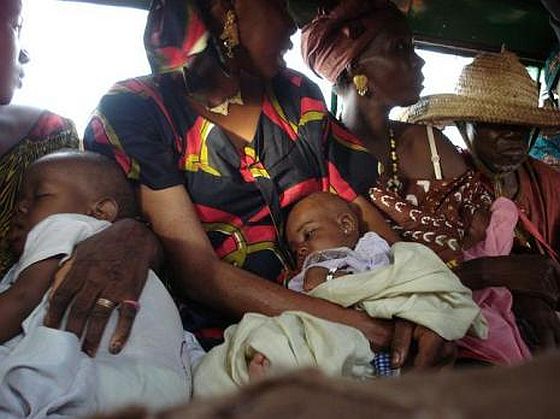
I was in a SOTRAMA (Mali’s take on the minibus, a green shell ringed with wooden benches, infinite division of space, unlimited passengers) the other day and I watched a guy scoop up a baby from the arms of a mother who was burdened with several bags and a large plastic bowl overflowing with toothbrushes and tubes of toothpaste.
After she climbed into the SOTRAMA and arranged her merchandise, she did not ask for her baby back. Her baby remained in the arms of a stranger, who was now smiling and laughing with the woman’s daughter on his lap.
Passengers inside a Bamako sotrama.
To an American eye, such an expression of trust between strangers might seem unfathomable. Indeed, those who knew nothing about the way Malian society works might regard this kind of behavior as an indication that Malian mothers have a carefree and irresponsible attitude about the welfare of their children. As Whitehouse explains, however, what this vignette captures is a fundamentally different view of what it means to be human — an orientation for which in Mali’s dominant Bambara language there is a word, Mɔgɔya.
Mɔgɔya expresses itself as:
a spontaneous familiarity found even among strangers, an eagerness to engage with other people socially in almost any situation. The Bambara word mɔgɔ means “person,” and you could translate mɔgɔya as “personhood,” but that wouldn’t tell the whole story. In Mali, as in much of Africa, the person is not reducible to the individual; mɔgɔya is expressed through social relations, which exist prior to the person. “It is only by means of social ties that one can achieve personhood,” writes anthropologist Saskia Brand in her ethnography of Bamako, Mediating Means and Fate. An individual human being does not necessarily qualify as a person because, as Brand notes, someone who is anti-social may not be considered a mɔgɔ.
I think of mɔgɔya as a parallel of social capital, something that constitutes a public good, and the decline of which in American society has been noted by social scientists like Robert Putnam. Whatever you call it, Mali has it in spades. For outsiders like me, everyday displays of mɔgɔya can lift the spirits. For Malians, mɔgɔya is what holds society together.
While the familiarity between strangers that Whitehouse describes could be viewed as culturally bound and romanticized as a vestige of ancestral roots particular to societies that have not ‘advanced’ far from their source, there is a way in which we can see social bonds and their dissolution as a direct product of material wealth.
Wealth breeds insularity. The more we have for ourselves, the less we need others.
On a spiral of autonomy, the more we free ourselves from the constraints of space and time in our fully networked world, the more bound we become to the company we can never escape yet rarely examine: our own.
And therein lies the contradiction in our development: that as we lose ourselves in things, we lose our humanity in the process.
“Pleasure puts you to sleep and pain wakes you up,” an Indian sage once said, yet in the United States we live in a culture that prizes painlessness far more than wakefulness. Indeed, we are increasingly being encouraged to pathologize pain at moments when we would otherwise be called to wrestle with life’s meaning.
The latest edition of the DSM, the Diagnostic and Statistical Manual of Mental Disorders (due for publication in May) which is the bible of psychiatry, regards grief as a disease.
Following the death of a loved one, depression occurring within a few weeks can be treated as an illness in need of a pharmaceutical cure. The pain of loss can and supposedly should be chemically dissolved.
All too predictably, the support that was once provided by other people is coming instead to be provided by pills.
Instead of recognizing grief as an appropriate response to death and the profoundly difficult transitions that come in its wake, a human experience is being turned into a neurotransmitter imbalance and in the process a huge business opportunity is being opened up for companies like GlaxoSmithKline.
Late last year, the business section of the Washington Postreported:
For years, the official handbook of psychiatry, issued by the American Psychiatric Association, advised against diagnosing major depression when the distress is “better accounted for by bereavement.” Such grief, experts said, was better left to nature.
But that may be changing.
In what some prominent critics have called a bonanza for the drug companies, the American Psychiatric Association this month voted to drop the old warning against diagnosing depression in the bereaved, opening the way for more of them to be diagnosed with major depression — and thus, treated with antidepressants.
The change in the handbook, which could have significant financial implications for the $10 billion U.S. antidepressant market, was developed in large part by people affiliated with the pharmaceutical industry, an examination of financial disclosures shows.
The association itself depends in part on industry funding, and the majority of experts on the committee that drafted the new diagnostic guideline have either received research grants from the drug companies, held stock in them, or served them as speakers or consultants.
In March, 2011, my wife died and I experienced the physiology of grief. I felt greatly sad and yearned for her. I didn’t sleep well. When I returned to a now empty house, I became agitated. I also felt fatigued and had difficulty concentrating on my academic work. My weight declined owing to a newly indifferent appetite. This dark experience lightened over the months, so that the feelings became much less acute by around 6 months. But after 46 years of marriage, it will come as no surprise to most people that as I approach the first anniversary of my loss, I still feel sadness at times and harbour the sense that a part of me is gone forever. I’m not even sure my caregiving for my wife, who died of Alzheimer’s disease, ended with her death. I am still caring for our memories. Is there anything wrong (or pathological) with that?
Experience, including the experience of loss, is never neat: that is, out of context. It is always framed by meanings and values, which themselves are affected by all sorts of things like one’s age, health, financial and work conditions, and what is happening in one’s life and in the wider world. The collective and personal process we usually refer to as culture is one sort of framing: a kind of master framing. Historically, widows in many patriarchal societies were culturally framed as grieving for a lifetime or at least, a long time. The globalisation of our era has brought in its wake an expectation of serial marriages with much shorter periods of bereavement. Still, DSM-IV’s framing of normal grief as lasting only 2 months must stand out in global perspective as a shocking expectation. We can say the same about the APA’s [American Psychiatric Association] proposal for treating any grief as depressive disorder, which must be seen as a radical cultural framing peculiar to American academic psychiatric research.
Inasmuch as there is no compelling evidence that antidepressant drugs improve mood in normal people, the APA, if it wanted to authorise treatment for normal grief, had to make it over into a disease — ie, depression. Then psychiatrists could, as a routine practice, prescribe antidepressants for bereavement. This phenomenon of reframing a previously normal experience as a disease is called medicalisation and is quite far advanced in psychiatric practice, which already labels shyness as anxiety disorder and puts some people who are unskilled in negotiating social relationships in the Asperger’s syndrome end of the autism spectrum. These framings represent a cultural shift, now well along its way, to remake experiences formerly regarded as morally bad, religiously sinful, disturbing, or just different as medical issues of illness and disablement. The upshot is that unprecedented numbers of people with what was earlier regarded as the ordinary distress of living are taking psychotropic medication.
The increasing secularisation of our age with the dominance of biotechnology is one factor behind this shift to a new cultural frame, just as much as the political economy of the pharmaceutical industry, the transformation of American medicine into big business, and the infiltration of bureaucratic standards and regulations ever more deeply into ordinary life. All of which brings me back to the experience of grieving. Why not medicalise it? Why not deprive death of its sting for the survivors and make the experience of loss as painless as possible? Given the parlous state of global capitalism at the moment, maybe this would also help to fund health-care systems. Professor David J Kupfer, who chairs the DSM-5 Task Force making the revisions, is reported to have told The New York Times that making grief into a disease would allow psychiatrists to treat people who were suffering so that they would get the treatment they need for being depressed. And that’s the rub really. Is grief something that we can or should no longer tolerate? Is this existential source of suffering like any dental or back pain unwanted and unneeded?
My own experience, together with my reading of the literature, suggests caution is needed before we answer yes and turn ordinary grieving into a suitable target of therapeutic intervention. My grief, like that of millions of others, signalled the loss of something truly vital in my life. This pain was part of the remembering and maybe also the remaking. It punctuated the end of a time and a form of living, and marked the transition to a new time and a different way of living. The suffering pushed me out of my ordinary day-to-day existence and called into question the meanings and values that animated our life. The cultural reframing — at once subjective and shared with others in my life-world—held moral and religious significance. What would it mean to reframe that significance as medical? For me and my family, and I intuit for many, many others such a cultural reframing would seem inappropriate or even a technological interference with what matters most in our lives.
Before his wife’s death, Kleinman gave the following interview in which he talks about his experience of caregiving:
This website or its third-party tools use cookies, which are necessary to its functioning. By closing this banner, you agree to the use of cookies.






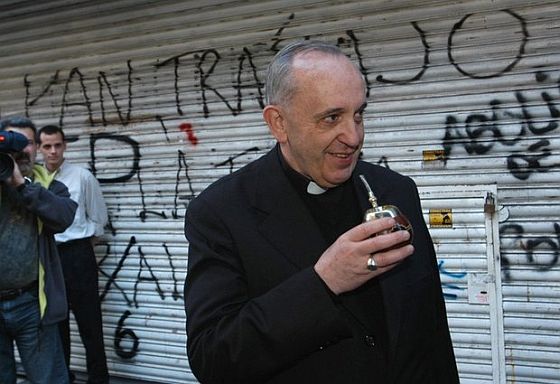

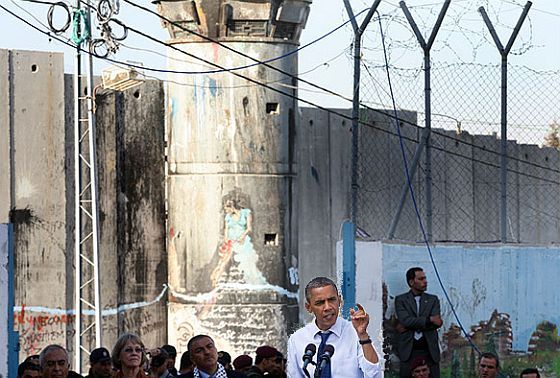



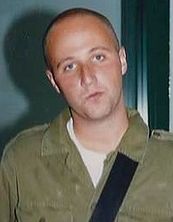 Multiple sources indicate that Ben Zygier was